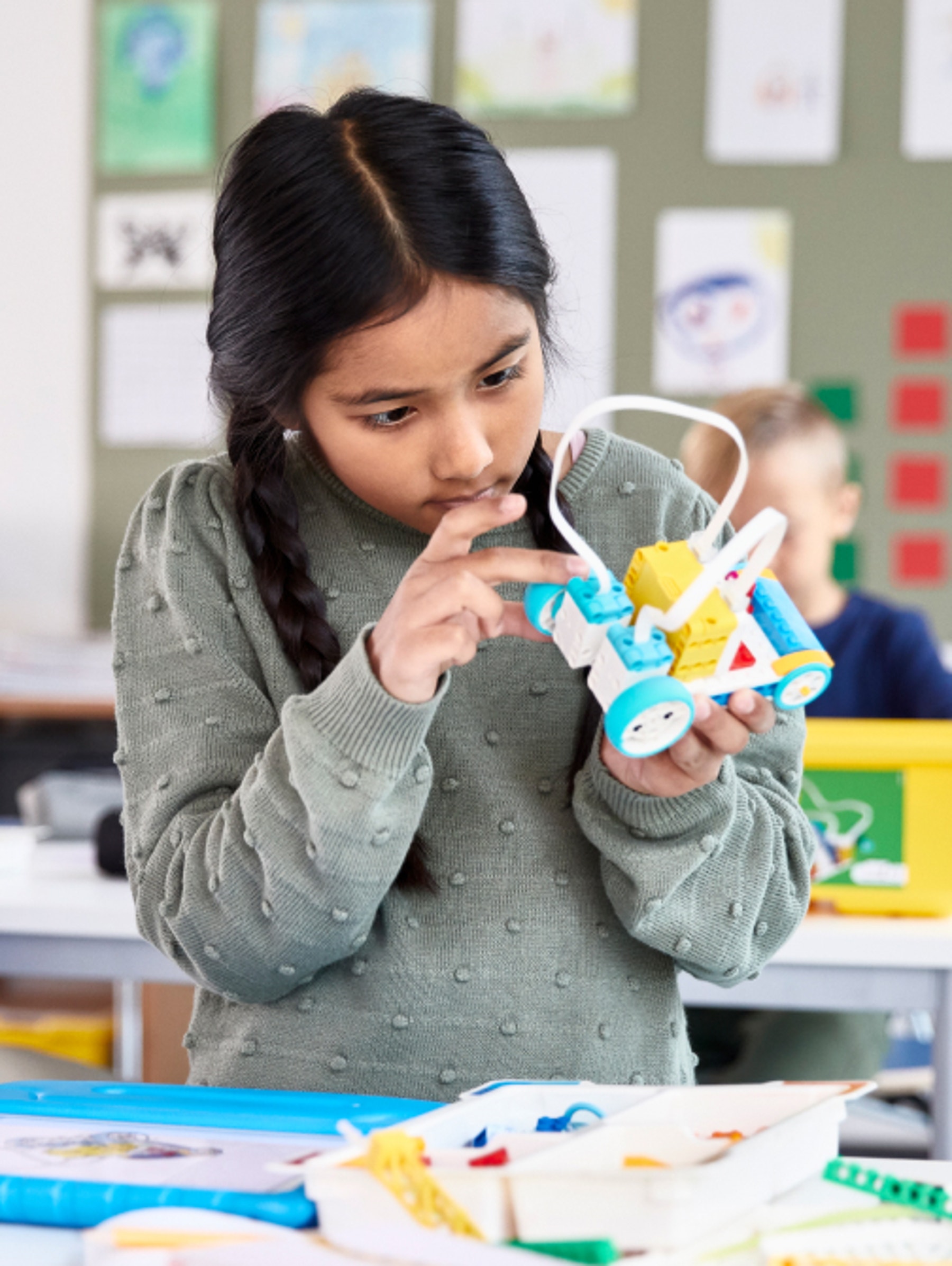
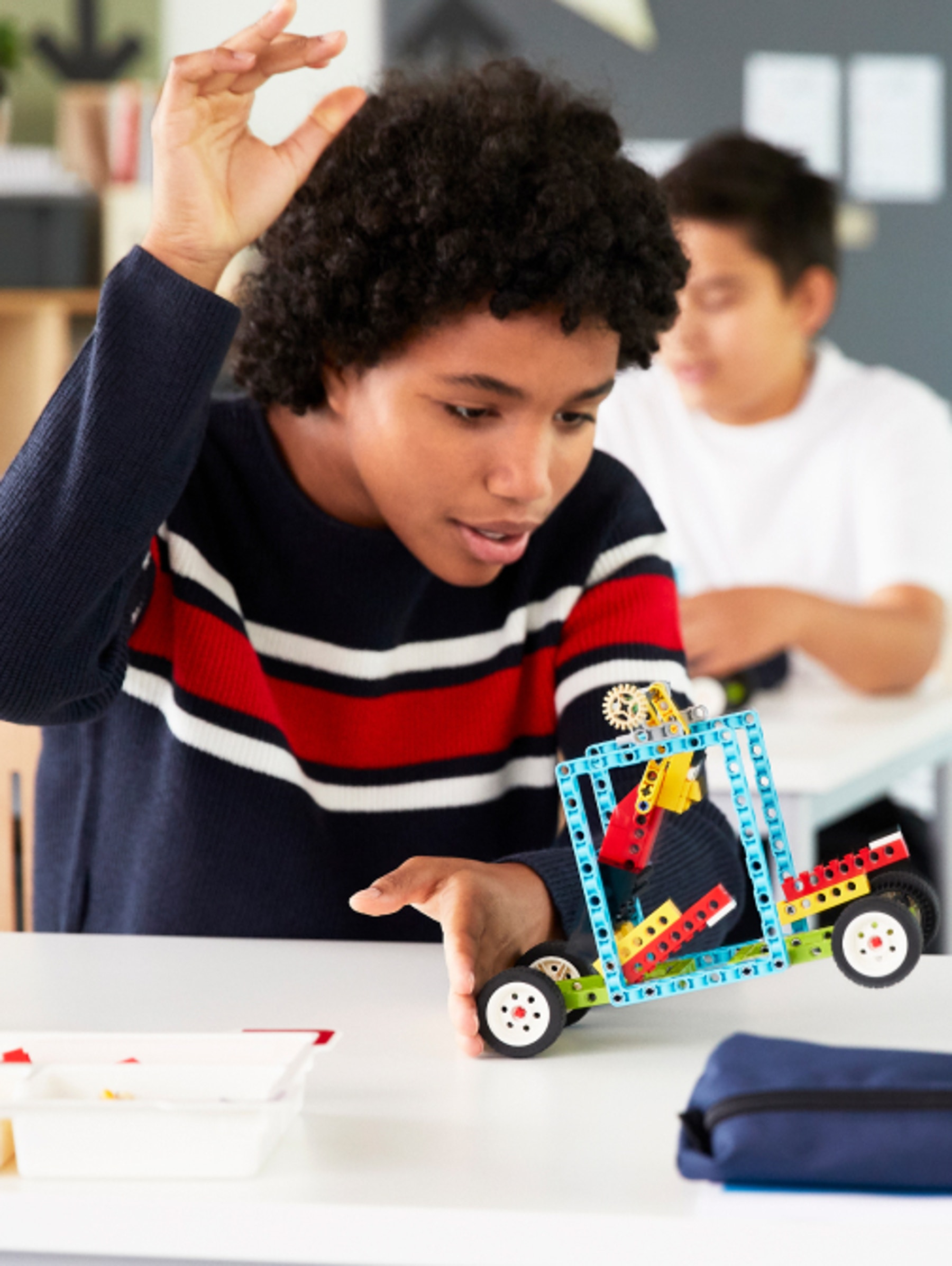
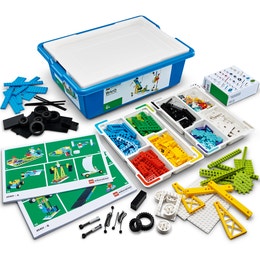
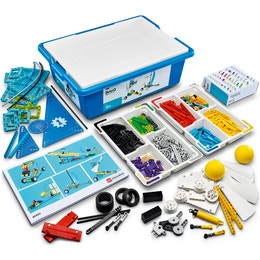
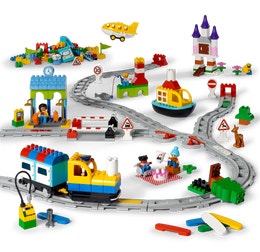
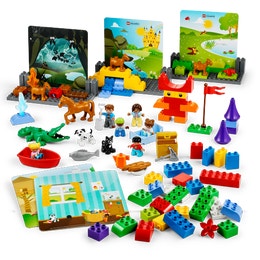
Are you LEGO® Smart™? Are your students? Being LEGO Smart is more than building with LEGO® bricks. It’s having the ability to work in teams, solve problems, and create solutions. It means understanding key science, technology, engineering, and math concepts – not just on paper, but through demonstration. LEGO Smart students don’t just know it, they DO it. The sets, software, and curriculum designed by LEGO Education harness the power of the LEGO brick and combine to create learning opportunities for students that will help develop the skills needed for a lifetime of creating, solving, and contributing to a global society. Be LEGO Smart – be the future.

Something To Write Home About

Recently we received an email regarding a student who attended a robotics camp in Florida. The camp featured LEGO MINDSTORMS products. The student was not very sociable or familiar with computers when he began the camp, but that was about to change. To learn how, read the following...

I teach Electrical Engineering at Florida State University in Panama City. With the help of some friends from Dahlgren I was able to get some LEGO MINDSTORMS sets for our camp. I wanted to share one of our camp stories with you that was pretty interesting.

One of the minority students that attended was listed by the school system as homeless. I believe he was the only attendee from his particular middle school. Needless to say he doesn't have computer or internet access in his home.

According to the teacher he kind of hung back when the camp started. That was until we got started with the LEGO kits!

It seems we discovered a natural programmer! He took charge of the programming for his group. The transformation was phenomenal. I wish you could have seen his eyes light-up when he described what he had accomplished during the camp - - pure joy!

At the end of camp I had him talk to our Congressman Boyd's area rep about his experience and he was part of the three students that were chosen to present the results of his team to the 150 students, teachers and S&Es at the final report out.

One of our leaders is a long time member of the Bay Education Foundation and is now working on finding him a mentor. First thing Monday I am contacting the local community college to see if they can line him up with a scholarship.

Just wanted to let you know LEGO's impact!

David Skinner
Florida State University, Panama City

Posted by LEGO Education | with no comments

Hands-On Learning

How many times have you heard a child say they didn't want to do something because it wasn't any fun?

If you are an educator, especially of preschool or early elementary students, there is a good chance you hear this daily! Learning through playing is not only the preferred method by children, its also the best way to get them to relate to what is being taught.

Play is a key element to a child's growth and development, and play stimulates the imagination, the emergence of ideas, and encourages creative expression. It is LEGO philosophy that "good play" enriches a child's life.

To learn more about the benefits of Hands-On, Heads-In Learning, check out this feature article in the April/May issue of The Pitsco Network.

Posted by LEGO Education | with no comments

Letters and Sounds

This activity can be completed with either home-made or store-bought alphabet flashcards. To begin each student is given an ample amount of bricks. When ready the teacher shuffles the flashcards and randomly selects one from the deck.

The teacher presents the card to the class and asks the class to make the sound that particular letter makes. Remember: vowels and some special consonants are capable of making more than one sound and students need to be reminded about these unique cases.

When the letter has been reviewed, the teacher instructs the students to build a model of an object which starts with that particular letter sound. When the students have finished building, the teacher should go around the room asking each student what they made, writing the name of each model on the board.

How long of a list were the students able to create? Can they think of more objects they could have built? Did the models built represent the various sounds that some letters can make? Did the students make any mistakes such as building a "cat" model when the letter "K" was drawn?

Remember that for younger students these kinds of mistakes are inevitable; if this does occur simply use it as a stepping stone into a discussion about why it is important to study letter sounds and words.

Posted by LEGO Education | with no comments
Filed under:

What's the Chance?

The teacher should divide the students into groups of two. Each group should be given a brown paper bag filled with one blue brick, two green bricks, three red bricks, and four yellow bricks. Once the students have received their bag, the teacher should point out the contents within.

Instruct Student A to close their eyes. Student B should then shake the bag. When finished, Student A will reach in the bag and grab one brick. Student A will then record the color of brick they picked on a sheet of paper. Student A will repeat this process six times. After the sixth draw, Student A should look at their records and predict which color of brick they believe they will pick the most.

When Student A has made his/her prediction, they should continue the random drawing process until they have recorded the color of twenty bricks. Student A and Student B should then switch roles, following the same process.

Did the students correctly predict the outcome? Did Student A and Student B have similar findings? Which color was recorded the most, the least? What is the cause of their results?

This activity focuses on developing four skills:

  • Recognizing possible outcomes of random events
  • Early ideas of chance
  • Tallying
  • Keeping a score
Posted by LEGO Education | with no comments
Filed under:

The Importance of Description

All students should be given the same set and amount of bricks. The teacher should build a model using the given brick set, but keep the finished product hidden from the students until the end of the activity.

When the students are ready the teacher will proceed by giving verbal directions on how to build the model he/she already constructed. However, there is a catch! The teacher should only use vague directions. For example, instruct the students to put the green brick on top of the yellow brick, but do not indicate the size of each of the bricks or the specifics on how they fit together.

When the teacher has finished giving directions, he/she should pull out their model and compare it to those built by the students. What happened? Are any of the models the same? Why or why not?

After this a discussion can take place on why being specific and descriptive when giving directions is important. Can the students think of a time when thorough directions could be very beneficial? Are there any occupations which rely on being detail-oriented?

Posted by LEGO Education | with no comments
Filed under:

The Longest Caterpillar

All students should be given the same set and amount of bricks. After this, instruct them to build the longest possible caterpillar out of the given brick set. When the students have completed this task, decide upon a way of measuring how long each caterpillar is (draw on a piece of paper, trace around and cut out, count studs, etc.). The students should then compare their designs to those of their peers. Are there any ways in which the models could be improved to make the caterpillars even longer?

This activity focuses on developing four Key Learning Values:

  • Designing and making according to specific criteria
  • Problem solving and modifying designs
  • Length and informal comparisons
  • Using non-standard measures
Posted by LEGO Education | with no comments
Filed under:
More Posts Next page »